
Duct leakage testing (DALT) quantifies how much conditioned air a ductwork system loses into unconditioned space. The procedure is governed by SMACNA leakage class limits. IECC and ASHRAE 90.1 require documentation on most new commercial construction.
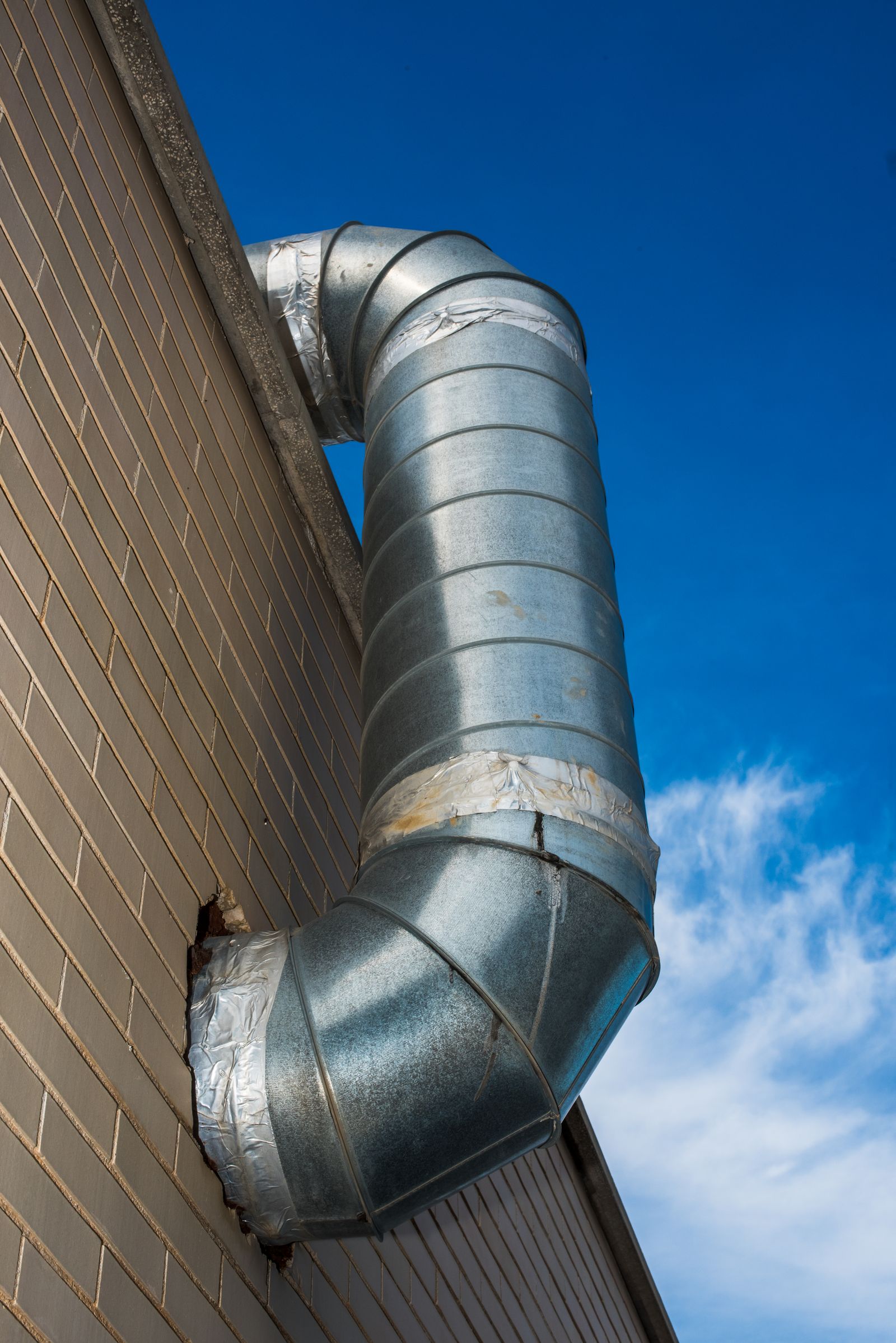
When duct leakage testing is required on commercial projects
First, duct leakage testing is required by the IECC and most local energy codes when ductwork runs outside conditioned space. Then SMACNA leakage Class A, B, or C is specified by the engineer. Furthermore, LEED, ENERGY STAR, and most utility-rebate programs require documented duct leakage testing.
Our duct leakage testing field procedure
Specifically, our duct leakage testing crew isolates each system segment, pressurizes to design test pressure, measures CFM/100 sq ft of duct surface, and compares to the SMACNA Class. After that, the report identifies every leakage zone with photos and recommended seal scope. Therefore, the mechanical contractor receives a punch list ready to act on.
SMACNA classes in practice
SMACNA HVAC Air Duct Leakage Test Manual defines three leakage classes — Class A (6 cfm per 100 sq ft at 1 inch wc), Class B (12 cfm), and Class C (24 cfm). The engineer picks the class based on system pressure, duct location, and energy-code compliance. Most modern commercial work runs Class A or B. The IECC has progressively tightened acceptable leakage rates with each code cycle. Atlanta and most Georgia jurisdictions enforce the current IECC. Tighter classes cost more in materials and labor but pay back over the life of the building in fan-kW savings and humidity control.
Frequently asked questions
Is duct leakage testing required by code?
On most commercial new construction under the IECC, yes. Duct leakage testing is required for duct outside conditioned space.
What SMACNA Class is typical for duct leakage testing?
Class A or B on most commercial work. Duct leakage testing to Class C is common on tight-envelope retrofits.
Can duct leakage testing be done after insulation?
It’s harder. Best practice is duct leakage testing before insulation so leaks are accessible for sealing.
The IECC and SMACNA history
The International Energy Conservation Code (IECC) was first published in 1998 by the International Code Council. Each three-year code cycle has progressively tightened expectations for envelope performance and HVAC efficiency. SMACNA — the Sheet Metal and Air Conditioning Contractors’ National Association — has published its leakage classification framework since the 1980s. The current SMACNA HVAC Air Duct Leakage Test Manual standardizes test procedures across the industry. The IECC references SMACNA classifications by reference, so the two documents work together. Most state amendments to the IECC retain the SMACNA leakage requirements.
How systems actually leak
Most leakage paths come from a small number of construction defects — un-sealed sheet metal joints, mis-installed transverse connections, gaskets out of position, and access panels left untaped. New ductwork off-the-truck usually meets manufacturer’s leakage spec; the leakage gets introduced during field assembly. The corrective scope is usually sealing rather than re-fabrication — mastic, foil tape, and re-tightening of the transverse joints. Crews experienced with sealing can drop a Class C system to Class B in a single field pass. The economics favor catching leakage early before insulation and ceiling close-up.
Related reading
Want the full picture? See our pillar page on duct leakage testing service.